Growing a Hardscape Company: From Solo Operator to Full-Scale Business
Starting and growing a hardscaping business is a journey that goes through several distinct stages. Whether you’re just getting started as a solo operator, scaling up to multiple crews, or running a full-scale company, each phase brings unique challenges and opportunities. Understanding these stages can help hardscape entrepreneurs navigate growth and set clear goals for the future.
Stage 1: The Solo Owner-Operator
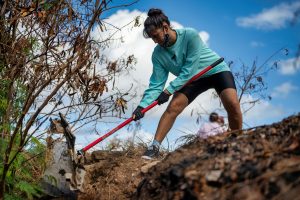
Many hardscaping businesses begin as a one-person operation. In this phase, the owner handles everything—from sales and design to installation and customer service. This stage has its advantages, such as minimal overhead and full control over quality, but it also has limitations in terms of capacity and scalability.
Key Characteristics:
- One person manages all aspects of the business.
- Direct interaction with clients and hands-on project execution.
- Relies on word-of-mouth, referrals, and small-scale marketing.
- Limited ability to take on larger projects due to manpower constraints.
Challenges:
- Time management becomes difficult as workload increases.
- Hard to take breaks or scale up without additional help.
- Cash flow fluctuations can be difficult to manage.
Keys to Success:
- Invest in essential tools and equipment to maximize efficiency.
- Build a strong local reputation to generate referrals.
- Develop pricing strategies that balance affordability and profitability.
Stage 2: Expanding to a Small Crew
As demand grows, the solo operator often reaches a breaking point where taking on extra help is necessary. Hiring one or two employees or subcontractors allows for increased workload capacity and the ability to take on more profitable projects.
Key Characteristics:
- Small team (typically 2-5 people) assisting with installations and operations.
- More delegation but still heavily reliant on the owner for project oversight.
- Ability to take on slightly larger or multiple projects simultaneously.
- More structured scheduling and workflow management.
Challenges:
- Training and retaining quality employees.
- Managing payroll, insurance, and other new business expenses.
- Delegating tasks effectively while maintaining quality standards.
Keys to Success:
- Implement efficient processes to standardize project execution.
- Invest in training to ensure team members meet company quality standards.
- Start leveraging digital tools for scheduling, invoicing, and client management.
Stage 3: Operating Multiple Crews
At this stage, the business transitions from an owner-centric model to a structured company with specialized teams. The owner must shift from working in the business to working on the business by focusing on growth, strategy, and management.
Key Characteristics:
- Multiple crews (5-15+ employees) working on different projects.
- Dedicated foremen or project managers overseeing job sites.
- The owner focuses more on sales, marketing, and overall business operations.
- Increased revenue potential but also higher expenses and operational complexity.
Challenges:
- Hiring and retaining skilled laborers at a larger scale.
- Ensuring consistent quality control across multiple teams.
- Managing cash flow effectively as payroll and equipment costs rise.
Keys to Success:
- Develop strong leadership within the company to maintain consistency.
- Utilize customer relationship management (CRM) and project management software.
- Diversify marketing efforts (SEO, social media, partnerships) to generate steady leads.
Stage 4: Becoming a Full-Scale Hardscaping Business
At this level, the business operates like a well-oiled machine, often with a management team, administrative staff, and a strong brand presence. The company takes on high-end residential or commercial projects and may even expand into design-build services or additional landscaping divisions.
Key Characteristics:
- Large-scale projects, often requiring complex logistics and coordination.
- Multiple departments (sales, operations, HR, accounting, etc.).
- Well-defined brand with a strong online and local presence.
- Owner focuses on business development and long-term strategy.
Challenges:
- Maintaining profitability while managing a high overhead.
- Keeping a steady stream of projects during economic fluctuations.
- Establishing a company culture that retains skilled employees.
Keys to Success:
- Create efficient systems for hiring, onboarding, and employee retention.
- Establish partnerships with suppliers to optimize material costs.
- Build a strong marketing and sales funnel to sustain project pipelines.
Final Thoughts
Growing a hardscape business from a solo operation to a full-scale enterprise requires strategic planning, adaptability, and strong leadership. Each stage presents unique obstacles, but with the right mindset and approach, scaling up can lead to long-term success in the industry. Whether you’re just starting or looking to expand, understanding these stages can help you make informed decisions and take your business to the next level.